

* Disclaimer: This article contains affiliate links. I earn from qualifying purchases through these links at no cost to you.
If you’ve ever wondered how to save money on groceries without turning into a full‑time coupon clipper, you’re in the right place.
I used to walk into the store with good intentions and walk out $60 over budget. The kids would toss things in. My husband would add “just one” snack. And on tight months, I panic‑bought like more stuff meant more security. It didn’t. It was stress, and I needed to learn a few things.
Here’s what I’ve learned over the years: you don’t need a binder full of coupons to save money at the grocery store anymore than you need a strong dose of good luck. Instead, you need a simple plan and a firm “no” to pricey picks like $7 grapes and things you don’t actually need.
Groceries are a necessity, yes, but not everything in your cart is.
I’ve stood in checkout lines using SNAP benefits, deciding what had to go through checkout first in case I ran short. I’ve stretched pantry meals and leaned on food pantries when we needed help. So this isn’t theory, and it’s not something I’ve pulled from thin air. It’s what actually kept my family fed.
This is my real‑life guide to saving on groceries without clipping coupons, without gimmicks, and without pretending you have endless time to spare. I’m here to tell you that you can lower your food bill without feeling deprived.
Now, let’s talk about why coupons aren’t the magic, end-all solution everyone thinks they are.
- How to Save Money on Groceries Without Coupons
- How Planning Meals Can Cut Grocery Costs
- Why You Should Always Use a Grocery List
- Is Pre-Cut Produce Worth It?
- How to Cut Your Grocery Bill Fast
- Why Fewer Grocery Trips Help Cut Costs
- Where to Shop to Save the Most on Groceries
- How to Save Money on Groceries Online
- Grocery Tips for Singles or Couples
- FAQ: How to Save Money on Groceries
- Start Saving Money on Groceries Like a Pro
How to Save Money on Groceries Without Coupons
I used to love watching the extreme coupon show on television. I loved seeing the stacks of coupons bring a high grocery bill down to pennies, and sometimes cash back. But that doesn’t happen in real life, at least, not for your average grocery run. To save money on groceries without coupons, you need to change how you shop.
As far as the extreme couponing shows went? I thought if I tried harder and organized better, I’d walk out paying pennies too.
What I learned was:
- Couponing well takes serious time.
- Extreme couponing isn’t built for normal weekly runs.
- Timing matters, and I don’t have hours to chase every deal.
I work full time, run a home, build this blog, homeschool, and manage my husband’s health. I don’t have time to spend hours stacking coupons and flipping through circulars just to save $4 on cereal we don’t even buy.
Coupons can help, yes, and I’m not anti-coupon. I use them when they make sense, and only for items I already use. You don’t need coupons to lower your total, but you do need clarity, intention, and a system that fits your real life.
Let’s build on that instead.

How Planning Meals Can Cut Grocery Costs
Yes, you can cut grocery costs by planning meals around what you already have and choosing which brands to buy, intentionally. So, let’s dive into the “how.”
Plan your meals using what’s already in your fridge or pantry before making a list. I never start with recipes anymore. When I did, I overspent on extra ingredients. Now I start with inventory. That half‑used bag of rice? That’s dinner tonight.
Rice stretches farther than almost anything in my pantry. I’ve turned it into fried rice, simple sides with beans, or quick skillet meals. If you need ideas, Taste of Home shares 63 delicious ways to use rice.
Once I know what we already have available, I can fill in the gaps and buy only what’s missing.
I skip many name brands unless I can taste or see a real difference. Most store brands perform the same for less. But that doesn’t mean I only buy cheap just to buy cheap, either. Store brand works for creamer, milk, cottage cheese, bread, and yogurt in my family. But peanut butter? We splurge for Skippy all the way. Coffee? We buy Maxwell House, and sometimes, if I’m feeling special, I’ll grab a bag of the gourmet stuff. Toilet paper? Angel Soft is our go-to.
So the rules at my house: Plan first and buy with intention. That’s where the real savings live.
Why You Should Always Use a Grocery List
Always using a grocery list keeps you focused and protects your budget. The format of that list doesn’t matter. Use paper or an app. Just make a real list, not a mental note, not an “I’ll remember” in the parking lot. You need a visible plan.
A few weeks ago, I skipped the list. Guess what happened?
Did I need a 26‑oz container of salt? I swore I did. It felt responsible in the aisle. Then I got home and found an unopened duplicate already in my cupboard. Now I own enough salt to supply a lifetime of margaritas, and maybe even enough to enhance salination in the Atlantic Ocean.
That’s what shopping without a list does. You buy in the moment instead of with focus.
A list keeps you anchored. It reduces wandering and cuts down the “oh, that looks good” grabs. No, it’s not perfect. I am human, after all, so an occasional splurge or treat keeps me happy. But I break far fewer rules when I walk in with a plan.
By the way, if impulse spending is your weak spot, build one small treat into your list or create a rule before you shop. A list isn’t restrictive; it’s protective, and it can work with your lifestyle.
Is Pre-Cut Produce Worth It?
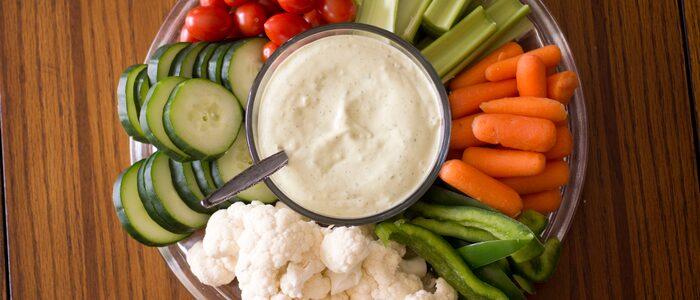
There’s no easy way to say this. Pre-cut produce costs more. Doing it yourself costs less. According to the MSN article, “Why You’d Go Broke on Pre-Cut Produce: The Hidden $1,200 a Year You’re Paying,” shoppers can spend “an extra $1,200 a year” on pre-cut fruits and vegetables because you’re paying for labor, packaging, and convenience. Twelve hundred dollars a years isn’t pocket change, at least not for most of us. That’s emergency-fund money, bill money, and money for things you actually need.
If you regularly buy carrot and celery sticks, try prepping them at home yourself. Store them in reusable containers or jars with tight lids, add a little water, and refrigerate for the week. I’ve checked the price-per-pound in-store locally. Whole produce almost always wins.
How to Cut Your Grocery Bill Fast
Another way to cut your grocery bill fast is by controlling snack spending before it controls you. The average American shopper spends 25% of their grocery budget on processed foods and sweets. That’s a quarter of the cart!
According to Business Insider, the average monthly grocery bill for a thrifty family of four in 2024 was about $977. If 25% goes to snacks, that’s roughly $244 per month for junk food — nearly $3,000 a year on food that disappears fast and rarely satisfies.
Snacks are food vampires that quietly drain your budget. Chips, cookies, sodas, frozen treats — they slide into your cart without resistance. A bag of potato chips that used to cost $3 now rings up at $5 or more, and because it’s “just one bag,” it doesn’t feel expensive.
This was another hard lesson for me. One late night I grabbed sandwiches and a bag of chips. No cooking. No dishes. That one bag? Over seven dollars! And it wasn’t even the family-size bag, either.
Frugal Tip: Choose one or two snack items per trip and skip the rest. As for me? I’m feeding a family, not running a concession stand. And no, candy doesn’t count as dessert.
Why Fewer Grocery Trips Help Cut Costs
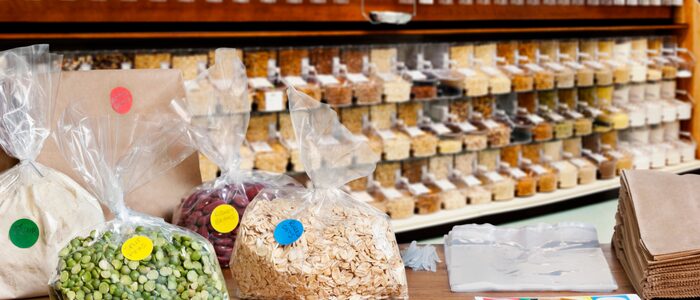
Yes, fewer grocery trips cut costs. It takes practice, but it works. Years ago, I relied on SNAP benefits and had to budget for a full month at a time to hit all the right sales to ensure my funds spread the furthest. That discipline kept my family fed.
Monthly shopping forced clarity. There were no extras, and no room for errors. We supplemented with food pantries when needed, but the plan came first.
Today, I still shop the perimeter first for the essentials. Meat comes first because it’s the most expensive. I skip boxed meals and buy whole, fresh, or frozen meats for better value. Then I restock milk, butter, and produce before heading to the center aisles for basics like flour and cereal, and other stuff. Waste less. Save more. That’s the motto.
Frugal Tip: Bring a calculator. Account for your state’s sales tax so you stay on budget.

Where to Shop to Save the Most on Groceries
You can save the most on groceries by choosing consistent, everyday low pricing and adding simple tools that work in the background.
Before I shop, I check flyers or store sites. When I buy online, I run the free browser extension Coupert. It’s completely free, so any coupon codes or cashback it finds means more cash in my wallet and bank account.
Coupert automatically tests promo codes at checkout and shows available cashback. I’m not opening twelve tabs to save three dollars. If there’s a code, and Coupert applies it. If there’s cashback, Coupert shows it. No, Coupert won’t fix impulse spending habits. That’s a mind over matter thing. But it does lower totals on purchases I was already making.
My rule: savings should be simple and automatic. If a free tool, like Coupert, can shave a little off purchases I’m already making, I’ll use it — and then move on with my day.
Another great tip is to know where to shop for the best deals. Here are stores that consistently make saving easier (availability depends on where you live):
Local butcher shops and cultural markets sometimes beat big box prices. When we lived in southern Maine, a small Asian market consistently stretched my $20–$30 farther than any chain store.
So, shop smart. Let tools like Coupert catch extra savings online when they’re available. That combination protects your budget without adding more work to your plate.

How to Save Money on Groceries Online
You can save money on groceries online by treating your cart like a strategy, not a scroll. If you use SNAP benefits, you can also enroll your EBT with Amazon Fresh, though availability varies.
Online grocery shopping can save you money or wreck your budget, depending on how you approach your grocery run. The difference is intention.
- Compare prices between store websites. Prices shift quickly, especially when brands or sizes go out of stock.
- Use digital coupons, codes or loyalty perks — but only if they’re simple and worth it.
- Choose curbside pickup over delivery. Curbside pickup is usually free and limits “just one more thing” clicks.
Ordering directly from store sites also helps you avoid third‑party markups. That bag of rice shouldn’t cost more just because someone else grabbed it for you. Stay picky. Stay focused. Don’t hand the algorithm your grocery budget.
Grocery Tips for Singles or Couples
Grocery shopping for one (or two) can feel like a trap. You either overspend or waste food. So, plan carefully and buy ingredients you’ll use more than once. That big bag of spinach only works if you actually plan to use it. Frozen fruits and veggies are friends. They last longer than fresh, beat canned versions for lower sodium, reduce waste, and often cost less. Choose small meat packs or divide bulk buys into freezer portions as soon as you get home. Repack once, freeze once, and you’re set for easy meals.
Frugal Tip: Marinate before freezing. Add the marinade to the freezer bag, seal it well, and freeze. It saves time later and prevents waste. I also share practical money-saving hacks if you want more ideas.
FAQ: How to Save Money on Groceries
Saving money at the grocery store doesn’t mean clipping a gazillion paper coupons or surviving on ramen. These quick answers address common questions about grocery budgets. You’ll find real ways to cut costs without giving up the foods you love.
What to Read Next (Because You’re On a Roll)
- 11 Genius Money Hacks to Save More Cash
- Boost Your Emergency Fund Fast and Save Big
- 7 Simple Budgeting Tips for a Stress-Free Thanksgiving
- 27 Homemade Christmas Gifts That Wow
Start Saving Money on Groceries Like a Pro
You don’t need a finance degree to figure out how to save money on groceries. You need a plan that actually works for your life. Use what you already have on hand first. Create a shopping list for everything else and stick to it. Stop letting snack aisles boss you around. And learn which local stores treat your wallet with respect.
A few small shifts can add up to big savings. Remember, you’re not chasing perfection; you’re making progress. You can eat well, spend less, and keep your pantry stocked without draining your paycheck.
Ready to shop smarter and keep more cash in your wallet and your emergency savings? Good. You got this!
Image Credit: © sdominick from Getty Images Signature via Canva.com | © AndreyPopov from Getty Images via Canva.com | © Marshall-Andrew Lee from Getty Images via Canva.com | © Janine Lamontagne from Getty Images Signature via Canva.com| © Kaspars Grinvalds via Canva.com
 0
0 0
0 20
20
 2
2